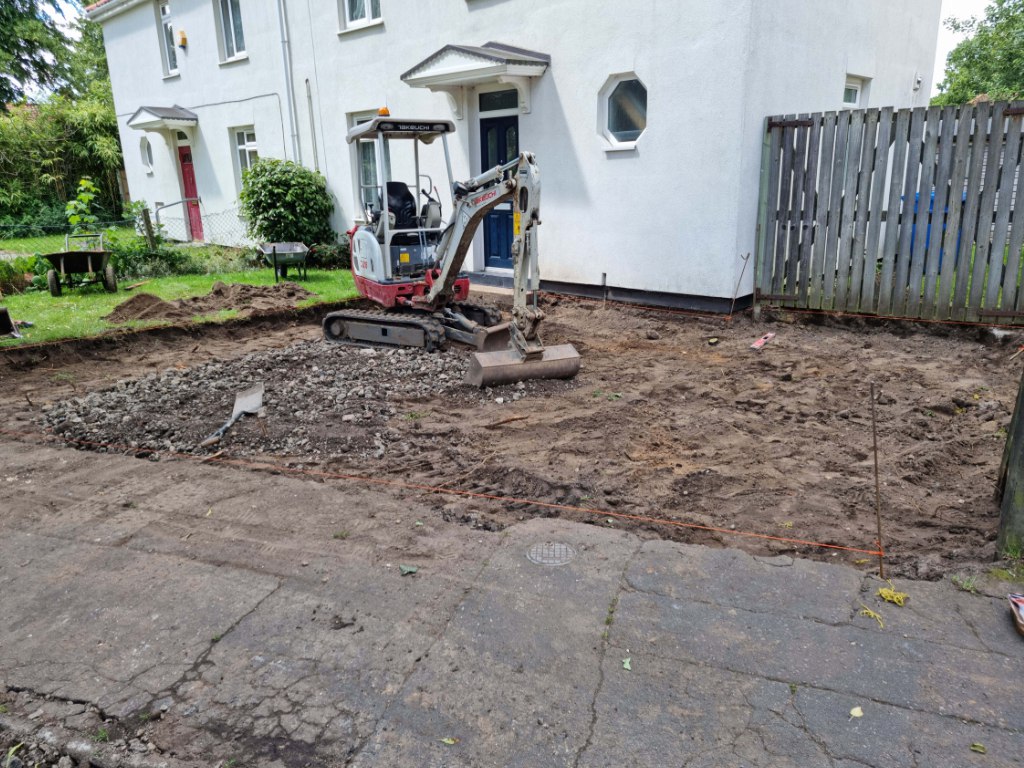
Porcelain Paving Slabs: Benefits, Maintenance and Design Ideas for Modern Gardens
Porcelain paving slabs have become a popular choice for homeowners looking to create attractive, practical and contemporary outdoor spaces. With their clean finish, wide range of colours and durable surface, they can transform patios, garden seating areas and pathways into spaces that are both stylish and easy to maintain.
For homeowners in Long Buckby, Northamptonshire, porcelain paving offers an opportunity to create an outdoor area that complements the property while remaining suitable for everyday use. However, choosing the right slabs and ensuring they are installed correctly are essential for achieving a long-lasting finish.
Long Buckby Driveways & Patios helps homeowners plan and create outdoor surfaces that combine practical performance with attractive design. Understanding the benefits and maintenance requirements of porcelain paving can help you decide whether it is the right option for your garden.
What Are Porcelain Paving Slabs?
Porcelain paving slabs are manufactured from refined clay and other natural materials that are fired at high temperatures. This process produces a dense, hard-wearing material with low water absorption, making it suitable for many outdoor applications.
Unlike some natural stone surfaces, porcelain paving is available in consistent colours, textures and finishes. Some designs replicate the appearance of limestone, slate, concrete or timber, allowing homeowners to achieve a particular style without using those materials.
Outdoor porcelain slabs should be specifically designed for external use. Their surface finish, thickness and installation requirements must be appropriate for the intended application.
The Main Benefits of Porcelain Paving
Durability and Weather Resistance
Porcelain paving is dense and has low porosity, meaning it absorbs very little water. This helps reduce the risk of moisture-related damage during cold weather, although correct installation and suitable product selection remain important.
Quality outdoor porcelain slabs can withstand regular foot traffic and normal garden use. Their resistance to fading also helps them retain their appearance when exposed to sunlight.
For gardens in Long Buckby, selecting suitable outdoor-rated slabs and ensuring effective drainage are important steps towards maintaining a reliable paved surface throughout the seasons.
Low Maintenance Requirements
One of the main advantages of porcelain paving is its relatively straightforward maintenance. Its non-porous surface makes it less likely to absorb everyday spills and stains than many more porous paving materials.
Routine cleaning with water and a suitable mild cleaning solution will generally help remove dirt and surface marks. Regular sweeping also prevents leaves, soil and other debris from accumulating.
Although porcelain is easy to maintain, it is not completely maintenance-free. Grout, joints and drainage channels still require attention to keep the paved area in good condition.
A Versatile, Contemporary Appearance
Porcelain paving is available in a wide range of colours, sizes and textures. Light grey slabs can create a minimalist finish, while warm beige tones can make a garden feel more inviting.
Larger-format slabs are particularly effective in contemporary designs because they reduce the number of visible joints and create a more continuous appearance. Smaller formats can work well in traditional settings or where the layout includes curves and intricate details.
Porcelain Paving Design Ideas for Modern Gardens
Create a Seamless Indoor-Outdoor Feel
For properties with patio doors or large windows, choosing porcelain paving that complements the interior flooring can create a visual connection between indoor and outdoor living spaces.
Coordinating colours and finishes helps the garden feel like a natural extension of the home. However, outdoor paving must have a suitable slip-resistant finish and be installed to account for external weather conditions.
Use Large Slabs for a Spacious Look
Large-format porcelain slabs can make a compact patio appear more open by creating fewer visible joints. A simple layout with consistent spacing works particularly well in modern gardens where clean lines and uncluttered surfaces are preferred.
Careful planning around walls, steps and drainage points helps avoid awkward cuts and produces a more professional finish.
Combine Paving with Planting
Porcelain paving can provide a clean contrast to lawn areas, raised planters, ornamental grasses and established shrubs. Combining hard landscaping with greenery prevents the garden from feeling overly uniform.
For example, neutral grey paving can complement lush planting, while warmer stone-effect finishes can create a softer transition between the patio and garden borders.
Define Different Outdoor Zones
A well-designed garden can include separate areas for dining, relaxing and moving between different parts of the property. Porcelain paving can help define these spaces through changes in slab direction, colour or layout.
Where the garden also includes a driveway or pathway, coordinating the overall colour palette can create a more consistent appearance across the outdoor space.
How to Maintain Porcelain Paving Slabs
Regular maintenance helps preserve the appearance and performance of porcelain paving.
- Sweep regularly: Remove leaves, soil and loose debris before they accumulate.
- Clean with suitable products: Use a mild cleaner recommended for the paving and rinse thoroughly.
- Address organic growth: Remove moss or algae with an appropriate outdoor paving cleaner, particularly in shaded or damp areas where surfaces may become slippery.
- Inspect joints and drainage: Check for loose grout, damaged joints or water collecting on the surface.
- Avoid unsuitable cleaning methods: Abrasive products and aggressive cleaning techniques may damage the finish or surrounding joints.
If using a pressure washer, follow the paving manufacturer’s guidance and avoid directing excessive pressure at grout or jointing materials.
Why Professional Installation Matters
Even high-quality porcelain paving can perform poorly if it is installed incorrectly. Unlike some conventional paving materials, porcelain requires careful handling, accurate cutting and a suitable installation system.
The ground must be properly prepared, with a stable base appropriate for the site and intended use. The paving should also be laid with suitable falls to encourage rainwater to drain away rather than collect on the surface.
Correct bedding, jointing and edge restraints help reduce movement, uneven slabs and other common installation problems. For outdoor areas, selecting the right materials for the ground conditions is just as important as choosing an attractive design.
Long Buckby Driveways & Patios can help homeowners in Long Buckby, Northamptonshire, plan their paving project, select suitable materials and achieve a neat, practical finish.
Conclusion
Porcelain paving slabs offer a durable, low-maintenance and versatile solution for modern gardens. With a wide choice of colours, textures and formats, they can complement different property styles while creating attractive patios, pathways and outdoor seating areas.
To get the best results, it is important to choose outdoor-rated porcelain, plan the layout carefully and ensure the paving is installed with a stable foundation and effective drainage.
If you are considering porcelain paving for your garden, contact Long Buckby Driveways & Patios to discuss your ideas and arrange a consultation for your outdoor paving project in Long Buckby, Northamptonshire.
Call us on: 01327 223 889
Click here to find out more about Long Buckby Driveways & Patios
Click here to complete our contact form and see how we can help with your driveways.